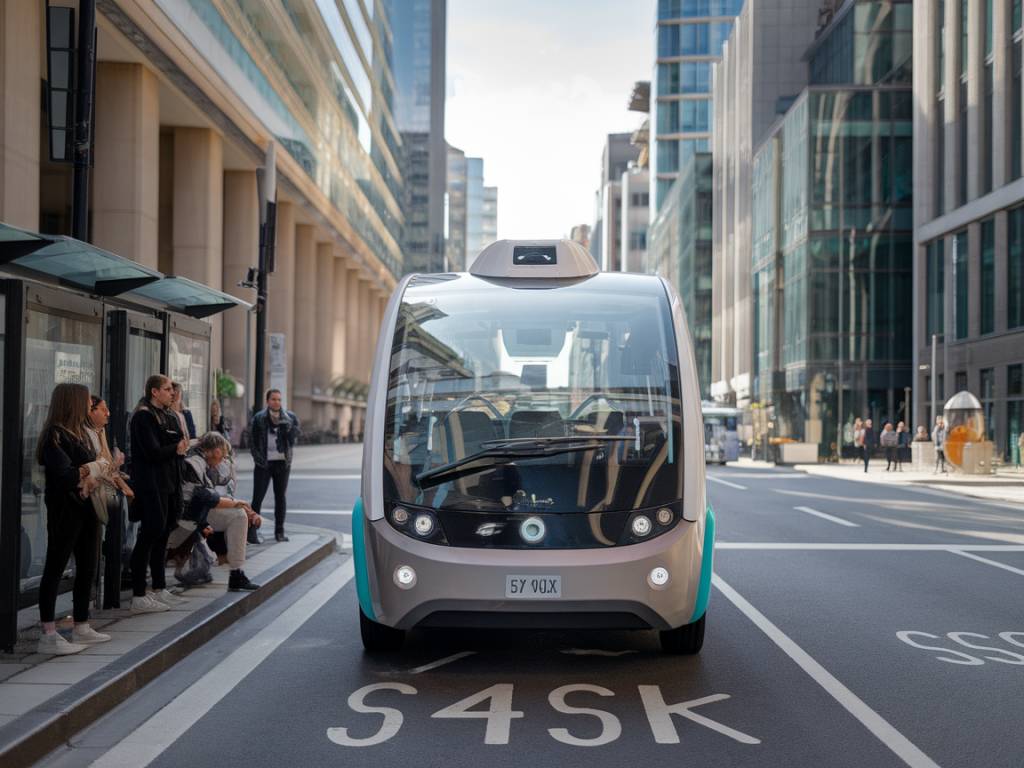
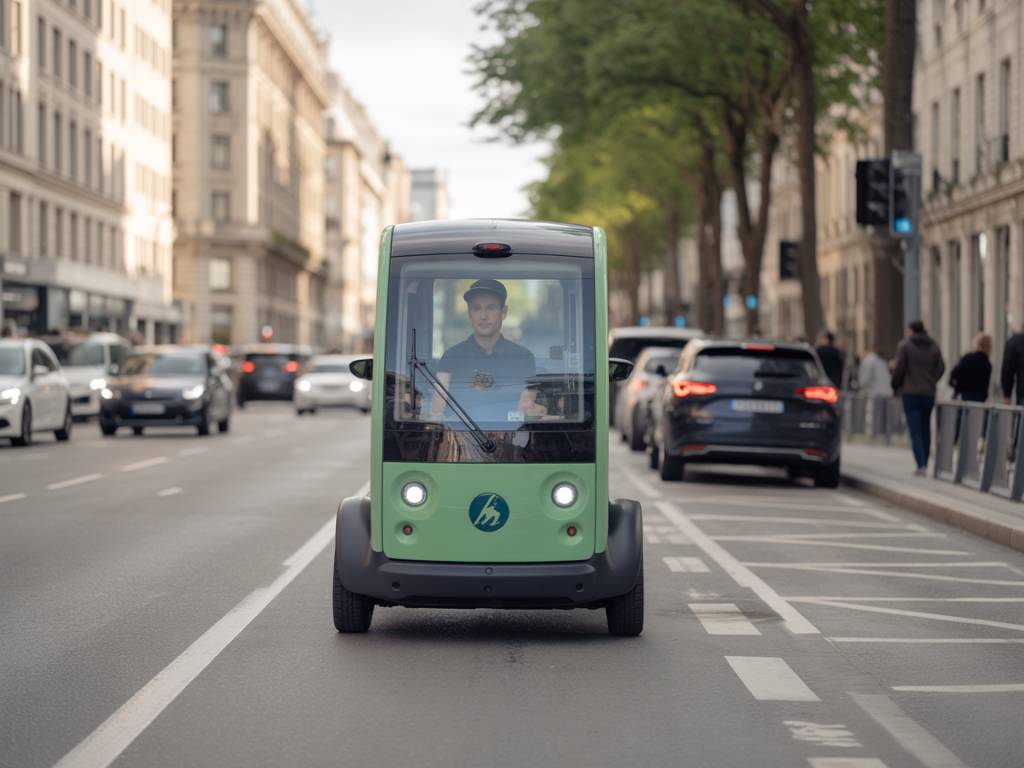
Across Europe, North America and Asia, electric micro-mobility is rapidly reshaping the way people move through dense urban cores. E-scooters, e-bikes, electric cargo bikes and shared micro-cars are no longer niche gadgets; they are becoming a central pillar of sustainable urban transport strategies. For city governments under pressure to decarbonise transport, cut congestion and revitalise retail streets, electric micro-mobility is emerging as a powerful lever for greener and more competitive city centres.
What is electric micro-mobility?
Electric micro-mobility generally refers to lightweight vehicles designed for short trips, assisted by an electric motor and often used in shared, on-demand systems. The most common formats in city centres include:
- E-scooters (stand-up kick scooters with electric assistance)
- E-bikes (traditional bicycles with an integrated electric motor)
- Electric cargo bikes used for last‑mile delivery and family transport
- Compact electric mopeds and low-speed micro-cars
These vehicles typically operate at lower speeds than conventional cars, have a much smaller physical footprint and produce far fewer emissions over their lifecycle. As a result, they offer cities a way to move more people and goods in less space and with less environmental impact.
A response to the urban mobility crisis
For decades, many city centres have suffered from the same structural problems: chronic traffic congestion, air pollution, noise and a loss of public space to car parking. At the same time, local retailers have struggled to compete with out-of-town shopping centres and e-commerce platforms. Traditional transport planning tools—expanding road capacity or building new underground lines—are costly and slow to implement.
Electric micro-mobility offers an alternative approach by targeting short, everyday journeys. In most large cities, a significant share of urban trips are under 5 kilometres. These distances are too far for many people to walk but ideal for electric micro-mobility solutions. By shifting a portion of these trips away from private cars and taxis, cities can relieve pressure on road networks and public transport, while supporting a more active and human-scale urban life.
Environmental benefits for city centres
The environmental case for electric micro-mobility in city centres rests on several key advantages:
- Reduced greenhouse gas emissions: When powered by low‑carbon or renewable electricity, e-scooters and e-bikes generate far fewer emissions per kilometre than private cars or ride-hailing services. Even when accounting for manufacturing and battery production, their lifecycle footprint remains significantly lower, especially when vehicles are shared and intensively used.
- Improved air quality: Removing combustion engines from dense urban cores cuts nitrogen oxides (NOx) and particulate emissions, helping cities comply with air quality standards and reducing health costs linked to respiratory and cardiovascular diseases.
- Less noise pollution: Electric micro-mobility vehicles are quieter than cars and motorbikes, creating calmer streets that are more attractive for residents, outdoor cafés and cultural activities.
- Efficient use of space: Because they are small and lightweight, e-bikes and e-scooters require less road and parking space. This frees up public space for green areas, wider pavements, bike lanes and terraces.
These environmental gains are not theoretical. Cities that have combined electric micro-mobility with low-emission zones, car-free streets and robust cycling infrastructure have already observed reductions in car traffic and improved air quality indicators, particularly in historic centres.
A competitiveness boost for retail and services
For urban economists and city planners, the rise of electric micro-mobility is not only an environmental story; it is also an economic one. Vibrant, accessible city centres are crucial for local employment, tourism, cultural life and municipal finances. Micro-mobility is increasingly seen as an asset for urban competitiveness.
There are several mechanisms at work:
- Better accessibility to shops and workplaces: E-bikes and e-scooters expand the catchment area of a city centre without adding car traffic. Residents who live a few kilometres away can reach the main commercial streets quickly, without worrying about parking or congestion charges.
- Higher footfall in pedestrian zones: When streets are redesigned to favour walking, cycling and micro-mobility, they often become more attractive for shoppers and visitors. Numerous case studies show that people who arrive by bike or on foot tend to visit more frequently and spend more locally over time than those arriving by car.
- Support for tourism: Electric bikes and scooters allow tourists to explore a wider part of the city in a limited time, connecting train stations, museums, waterfronts and cultural districts. This increases both the length of stay and the average spend per visitor.
- New local services and jobs: The micro-mobility ecosystem—fleet maintenance, battery swapping, charging infrastructure, software platforms, data analysis, local logistics—generates new types of urban jobs, often accessible to a wide range of skill levels.
By reducing the reliance on private cars for access to the city centre, electric micro-mobility helps create commercial districts that are less vulnerable to traffic jams, fuel price shocks and parking shortages.
Transforming public space and urban design
The diffusion of electric micro-mobility forces city planners to rethink how street space is organised. Cars have long dominated urban streets, but the growing presence of bikes, e-scooters and pedestrians is driving a rebalancing of priorities.
Many city centres are experimenting with:
- Protected bike and micro-mobility lanes that offer safe, direct routes through the city core, connecting residential neighbourhoods to main employment and retail zones.
- Multi-use mobility hubs near transit stations, where users can switch seamlessly between metro, tram, bus, car-sharing and micro-mobility services.
- Reclaimed parking space converted into parklets, terraces, green areas or dedicated parking for bikes and scooters.
- Time-based access restrictions that limit car traffic during peak shopping or evening hours, while allowing deliveries by electric cargo bikes.
This shift in street design not only improves safety for vulnerable users but also supports broader goals: reducing urban heat islands through more greenery, enhancing the image of the city centre and making it more attractive for investment and high-value services.
The role of regulation and governance
The rapid arrival of shared e-scooters and other micro-mobility devices has not been without controversy. Early deployments in some cities led to sidewalk clutter, unclear parking rules and safety concerns. As a result, regulation has become a central issue in the development of electric micro-mobility.
Well-designed regulatory frameworks tend to focus on:
- Licensing and fleet caps to manage the number of shared vehicles and ensure operators meet service and maintenance standards.
- Designated parking zones marked on the street or on former car parking spaces, reducing the risk of obstruction for pedestrians and people with reduced mobility.
- Speed limits and geofencing in high-risk areas, such as pedestrian-dense plazas or near schools.
- Data-sharing requirements that allow cities to monitor usage patterns and adjust infrastructure and regulations accordingly.
- Road safety campaigns and mandatory training modules in apps for new users.
Where city authorities have taken an active role in shaping the market—through tenders, quality criteria and integration with public transport—electric micro-mobility has generally been better accepted by residents and businesses.
Addressing challenges and equity concerns
Despite their potential, electric micro-mobility services also raise critical questions around safety, inclusiveness and environmental performance.
On safety, concerns focus on collisions on mixed-use pavements, inexperienced riders and inadequate infrastructure. Tackling these issues requires clearer rules (for example, keeping e-scooters off sidewalks), better street design and consistent enforcement. Integrating micro-mobility into the broader road safety strategy is essential if cities want to expand these services without increasing accident rates.
Equity is another major challenge. In many cities, shared e-scooters and e-bikes first appeared in central, affluent neighbourhoods, raising fears of a two-speed mobility system. To counter this, some local authorities now require operators to serve peripheral districts, offer discounted tariffs for low-income users or integrate payment with public transport smartcards.
From an environmental standpoint, the sustainability of electric micro-mobility depends heavily on vehicle durability, battery management and logistics operations. Early-generation shared scooters had short lifespans and required vans to reposition them at night, undermining their climate benefits. The sector is gradually improving, with more robust models, swappable batteries and the use of electric vehicles or cargo bikes for rebalancing fleets.
Integration with public transport and logistics
Electric micro-mobility shows its full potential when integrated into a wider sustainable mobility ecosystem. Rather than competing with buses or metros, these services can complement mass transit by solving the “first and last mile” problem—getting people from their home to a train station, or from a tram stop to their office.
Several promising directions are emerging:
- Mobility-as-a-Service (MaaS) platforms that allow users to plan and pay for multi-modal journeys combining public transport, bike-sharing and e-scooters in a single app.
- Physical integration at hubs, where bike and scooter docks are placed immediately outside station exits, with clear signage and ample capacity.
- Use of electric cargo bikes for last‑mile logistics, reducing delivery vans in narrow streets and historic centres while keeping service levels high for local businesses.
As public transport operators look for ways to win back passengers after the pandemic and adapt to hybrid working patterns, partnerships with micro-mobility operators are becoming a strategic priority. A seamless user experience—consistent fares, real-time information and reliable infrastructure—will be key to persuading residents to give up second cars and embrace more sustainable travel habits.
Strategic outlook for greener, more competitive city centres
For city leaders, electric micro-mobility is not a magic solution, but it is a powerful tool when combined with broader policies: road pricing, low-emission zones, investment in high‑quality public transport and a shift towards mixed-use urban development. The cities that are likely to benefit most are those that treat micro-mobility as part of an integrated vision for a liveable, low‑carbon, economically dynamic centre.
The coming years will likely see a greater diversification of vehicles, from shared e-bikes tailored to older users to micro-delivery robots in pedestrian streets. Regulations will continue to evolve, informed by real-time data and comparative analysis between cities. For urban economies seeking to attract talent, foster innovation and support local commerce, embracing well-regulated electric micro-mobility is increasingly seen as a competitive advantage rather than a marginal experiment.
In that context, the rise of electric micro-mobility can be read as a signal of deeper structural change: a gradual shift away from car-dominated models of urbanisation towards denser, more people-centred, climate‑conscious city centres. The way cities manage this transition will play a major role in determining not only their environmental footprint, but also their attractiveness, resilience and long-term economic performance.